
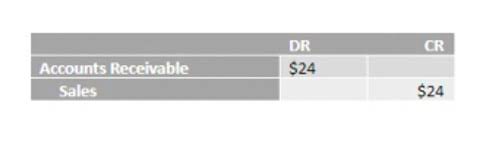
With this ratio, retailers can calculate their ending inventory without a physical count. By combining the beginning inventory with new purchases, applying the markup ratio, then subtracting the retail value of sold items, they arrive at an estimated ending inventory at retail value. That figure is then adjusted back down to cost using the ratio, providing a close approximation of what the business actually spent on the remaining stock. Businesses have some options when it comes to methods for retail accounting. All of these will help you determine the cost of goods sold and gross profit. Choosing which type of formula is best will depend on the type of products you sell, your reporting intentions, and in which country you do business.
Turn business receipts into data & deductibles
- A well planned configuration also reduces future corrections and reporting gaps.
- It’s different from retail accounting, which averages costs over categories.
- It uses methods like FIFO, LIFO, and weighted average to find the COGS.
- The correct method to use, timing, and the reason behind it are all strategic choices, which have a direct impact on gross profit, inventory turnover, taxation, and investors (Shopify).
- It’s ideal for high-volume retail environments where tracking the exact cost of every item is impractical.
- Any purchase is added to the pool of cost, and the pool of cost is divided by all units you have on hand.
This inventory valuation technique averages the cost of all items without worrying about the order in which the inventory was purchased. Businesses with large volumes of similar products and fast inventory turnover—like clothing or grocery stores—benefit most from retail accounting. Modern accounting software provides real-time data access, enabling timely decisions. Integrating cost accounting into retail strategy bridges the gap between financial data and business objectives.
- Understanding and preparing for such eventualities can minimize disruptions and financial losses.
- This will also help you determine the markup on your items, which can be used to calculate how much inventory you have left after the sale.
- The cash flow statement records the actual date the cash is received.
- You consent to Lightspeed contacting you by phone, email, text message or WhatsApp to follow up on your enquiry.
- Inventory isn’t just merchandise on shelves—it’s one of the most valuable assets on a retailer’s balance sheet.
- For example, if a retailer historically loses 2% of inventory to shrinkage, this rate can be factored into inventory estimates.
Retail accounting method: A comprehensive guide

An eligible small business (average annual gross receipts of $5 million or less for the 3 preceding tax years) can elect the simplified dollar-value LIFO method. For more information on these and other LIFO rules, see sections 472 through 474 of the Internal Revenue Code and the related income tax retail accounting regulations. If your business has not been in existence for all of the 3 tax-year period used in figuring average gross receipts, base your average on the period it has existed.
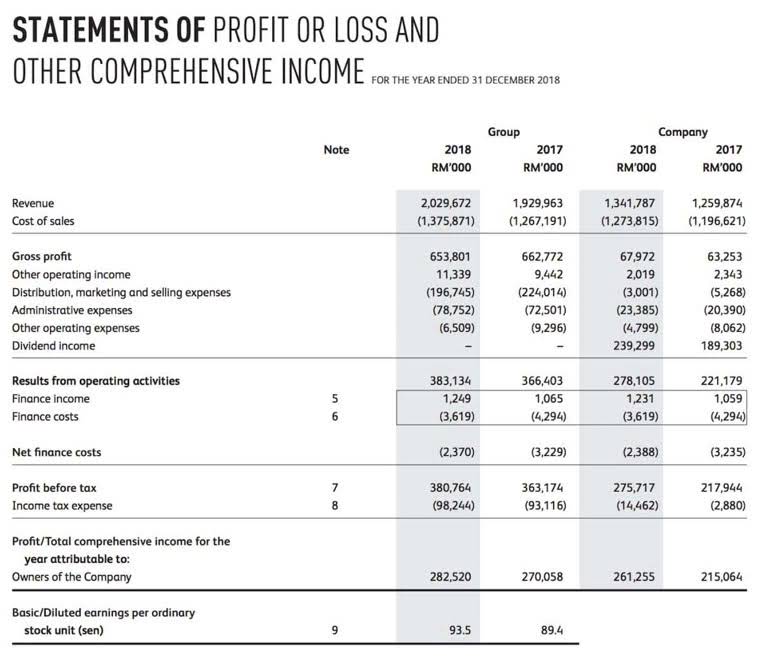
Cash flow statement

Gain hands-on experience with Excel-based financial modeling, real-world case studies, and downloadable templates. Upon completion, earn a recognized certificate to enhance your career prospects in finance and investment. So, while it’s less costly and time-consuming than conducting a physical count of your inventory, it’s also less accurate. Moreover, DTC retailers are only eligible to use this method if they https://www.bookstime.com/ have a consistent markup percentage on everything they sell.
- The first challenge is that seasonal or promotional price changes can cause gross margin percentages to fluctuate, potentially leading to inaccurate valuations.
- In fact, as of 2022, only the U.S. and Japan allow it as a retail accounting method.
- On the other hand, LIFO stands for “last in, first out” and means that the most recent inventory you’ve stocked up on is what sells first.
- But constant markups and markdowns make it hard to know what you paid for each unit.
- This makes it hard to figure out your profit properly (High Radius).
Inventoriable costs are all expenses directly tied to acquiring products and preparing them for sale. Retail bookkeeping, on the other hand, is the day-to-day process of recording these financial transactions. This can involve tasks like processing sales receipts, managing accounts payable and receivable, and generating financial reports. Moreover, maintaining strict inter-branch reconciliations and enforcing consistent policies across all branches is crucial.
The FIFO method assumes that the oldest inventory items are sold first. This inventory costing method means the cost of goods sold reflects the cost of your earliest purchases, while the inventory on hand reflects your most recent (usually higher) purchase prices. FIFO inventory management closely matches the physical flow for many retail businesses. The retail accounting method estimates inventory value using the cost-to-retail ratio, which compares the purchase cost of merchandise to its selling https://batatour.com/index.php/2021/09/20/set-up-a-trust-fund-for-property-bank-accounts/ price.

Remember, however, these formulas are not necessarily exhaustive, and retail businesses with more complex or diverse items will run into some complications. Here are common challenges you might face when implementing inventory costing methods. While FEFO is important for medicine—and, in fact, recommended by guidelines from the EU—it has little use for retailers without expiring inventory, making it a niche accounting method. If the prices of the products your business buys hardly change, then your accountant can use an even easier method called Weighted Average Costing.
Pros of retail accounting
This detailed collection contributes to the precision of the P&L reports, making them highly informative. Synder lets you automatically synchronize multichannel data into accounting platforms like QuickBooks Online, QuickBooks Desktop, Sage Intacct, and Xero. You can choose to sync this data either as daily journal entries or in detailed transactions. The periodic method involves counting what’s on your shelves at the end of a week, month, or quarter. It assumes that the items you purchased last are the first ones you sell. Only after you’ve accounted for all 50 of the $40 sweaters as sold do you start “selling” the $45 sweaters from an accounting standpoint.
These connections improve inventory accounting accuracy and reduce duplicate entries. With proper setup, BrightPearl software becomes a connected ecosystem rather than a standalone tool. You can prepare the tax return yourself, see if you qualify for free tax preparation, or hire a tax professional to prepare your return.